

Bio-fillers

"Bio-fillers are natural, regenerative substances used in aesthetic and medical treatments to restore volume, stimulate collagen production, and improve skin elasticity. Unlike traditional dermal fillers made from synthetic materials, bio-fillers are often derived from the patient’s own blood plasma (autologous) or other biocompatible materials".
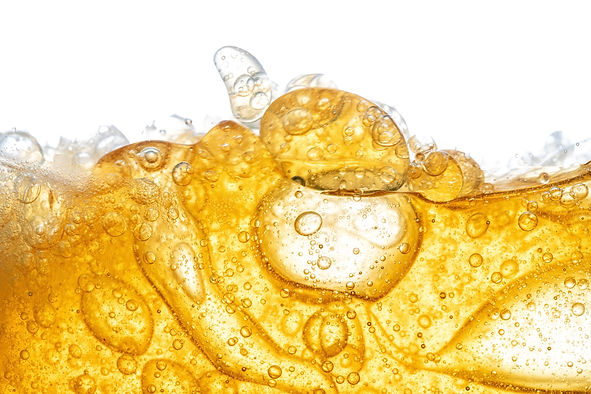
Platelet-Rich Plasma
-
-
Extracted from the patient’s blood.
-
Used to promote collagen production and enhance skin rejuvenation.
-
Applied in procedures like facial contouring and under-eye volume restoration.
-

Benefits of Bio-Fillers
-
Natural-Looking Results: Enhances the skin's own regenerative processes.
-
Biocompatible: Reduces the risk of allergic reactions or adverse effects.
-
Long-Lasting Effects: Some types stimulate collagen production for prolonged results.
-
Multi-Use: Effective for facial contouring, wrinkle reduction, and improving skin texture.
These fillers are gaining popularity for those seeking a more natural and holistic approach to aesthetic enhancements.
Q&A About Bio-Fillers
Q: What are bio-fillers?
A: Bio-fillers are natural or biocompatible substances used in aesthetic medicine to restore volume, reduce wrinkles, and stimulate collagen production in the skin. They are often derived from the patient’s own body, such as Platelet-Rich Plasma (PRP), or made from biocompatible materials like calcium hydroxylapatite.
Q: How are bio-fillers different from traditional dermal fillers?
A: Traditional fillers, like those made from hyaluronic acid (HA), provide immediate volume and hydration. Bio-fillers, on the other hand, focus on stimulating the skin's natural healing and collagen production processes for more gradual and long-lasting results.
Q: What are the most common types of bio-fillers?
A:
-
Platelet-Rich Plasma (PRP): Made from the patient’s blood, used for rejuvenation.
-
Platelet-Rich Fibrin (PRF): A more advanced version of PRP.
-
Calcium Hydroxylapatite (Radiesse®): A collagen stimulator for deeper wrinkles.
-
Fat Grafting: Fat taken from the patient’s body and re-injected for volume.
Q: Are bio-fillers safe?
A: Yes, bio-fillers are generally very safe because they use natural or biocompatible materials. Autologous fillers (like PRP or fat transfer) are especially safe, as they come from the patient’s body, reducing the risk of allergic reactions.
Q: How long do the results of bio-fillers last?
A: Results vary depending on the type of filler. PRP or PRF typically lasts 6-12 months, while bio-fillers like fat transfer or calcium hydroxylapatite can last up to 1-2 years or longer with proper care.
Q: What areas can be treated with bio-fillers?
A: Bio-fillers are versatile and can be used for:
-
Under-eye hollows
-
Cheek and jawline contouring
-
Wrinkle reduction
-
Skin rejuvenation
-
Lip enhancement
Q: What is the downtime for bio-filler treatments?
A: Downtime is usually minimal, especially for PRP or PRF treatments, which may involve mild swelling or redness for a day or two. Fat grafting, however, may require more recovery time due to the liposuction involved.
Q: Who is a good candidate for bio-fillers?
A: Ideal candidates are those seeking natural-looking results, improved skin texture, and volume restoration without synthetic fillers. People with allergies to traditional fillers may also benefit from bio-fillers.
Q: Can bio-fillers be combined with other treatments?
A: Yes, bio-fillers can be combined with other aesthetic treatments like microneedling, Botox, or laser therapy to enhance results.
Q: Are bio-fillers painful?
A: The procedure is generally well-tolerated. Numbing cream or local anesthesia is often used to minimize discomfort during injections.
Let me know if you'd like to focus on a specific bio-filler for a deeper discussion!
4o